
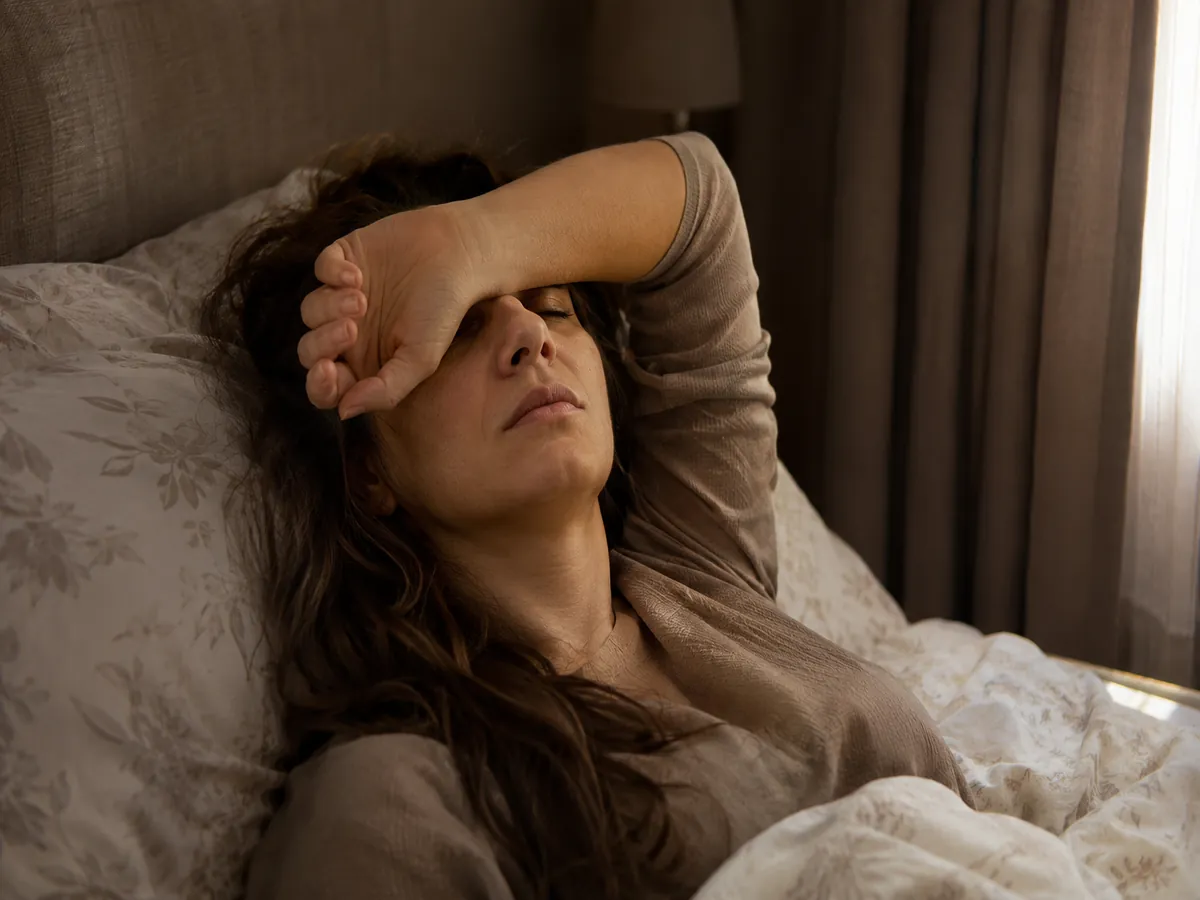
Migraine is a neurological disease that comes in recurring attacks and can noticeably affect daily life. Unlike an ordinary headache, it is often accompanied by nausea and sensitivity to light and sound. It is more common in women, and a family history of migraine is frequent.
What does migraine pain feel like?
- Usually throbbing pain on one side of the head
- Pain that gets worse with physical activity
- Nausea, sometimes vomiting
- Sensitivity to light, sound and smells
- Attacks that can last for hours, sometimes days, if untreated
What is an aura?
Some people with migraine notice flashing lights, zigzag lines or patches of lost vision, and sometimes tingling in the face or arm, before or during the headache. This is called an aura. An aura usually develops over minutes and passes within an hour. An aura that happens for the first time, lasts longer than usual or feels different from your usual aura should always be evaluated.
What triggers migraine?
Triggers vary from person to person. Keeping a headache diary is the most practical way to recognise the factors that affect you.
- Irregular or insufficient sleep
- Skipping meals and not drinking enough fluids
- Stress, and the relaxation period that follows it
- Hormonal changes
- Sudden changes in caffeine intake
- Bright light, strong smells, changes in the weather
Why can frequent painkiller use be a problem?
Taking painkillers regularly on more than a certain number of days a month can lead to medication-overuse headache, which makes headaches more frequent. If you need painkillers often, a neurological consultation is recommended to discuss preventive treatment options.
How is migraine treated?
Treatment consists of medicines that relieve pain during an attack, preventive treatment when attacks are frequent, and lifestyle advice that reduces triggers. In chronic migraine, botulinum toxin injections may be one of the options for suitable patients. The right treatment is decided individually after an examination.
When is it an emergency?
Call 112 without waiting for a sudden, very severe headache, a headache with fever and a stiff neck, a headache with slurred speech or weakness, or a headache that starts after a head injury.
Frequently asked questions
Does migraine ever go away completely?
Migraine is a condition with a genetic predisposition. With suitable treatment and lifestyle changes, the frequency and severity of attacks can be reduced considerably in most patients.
Do I need an MRI for migraine?
Not always. In people with a typical migraine history and a normal examination, imaging is often unnecessary. It may be requested if the character of the headache changes or the examination shows additional findings.
How is migraine different from a tension-type headache?
A tension-type headache is usually on both sides, pressing and mild to moderate, and nausea is uncommon. Migraine is often one-sided, throbbing and comes with nausea. The distinction is made with an examination.
We have brought together the neurological assessment process for migraine and headache in Izmir on our migraine assessment in Izmir page.

This article is for general information and does not replace an examination. You can book an appointment to discuss your symptoms.
 Migraine4 min read
 Guide6 min read
 Headache5 min read