
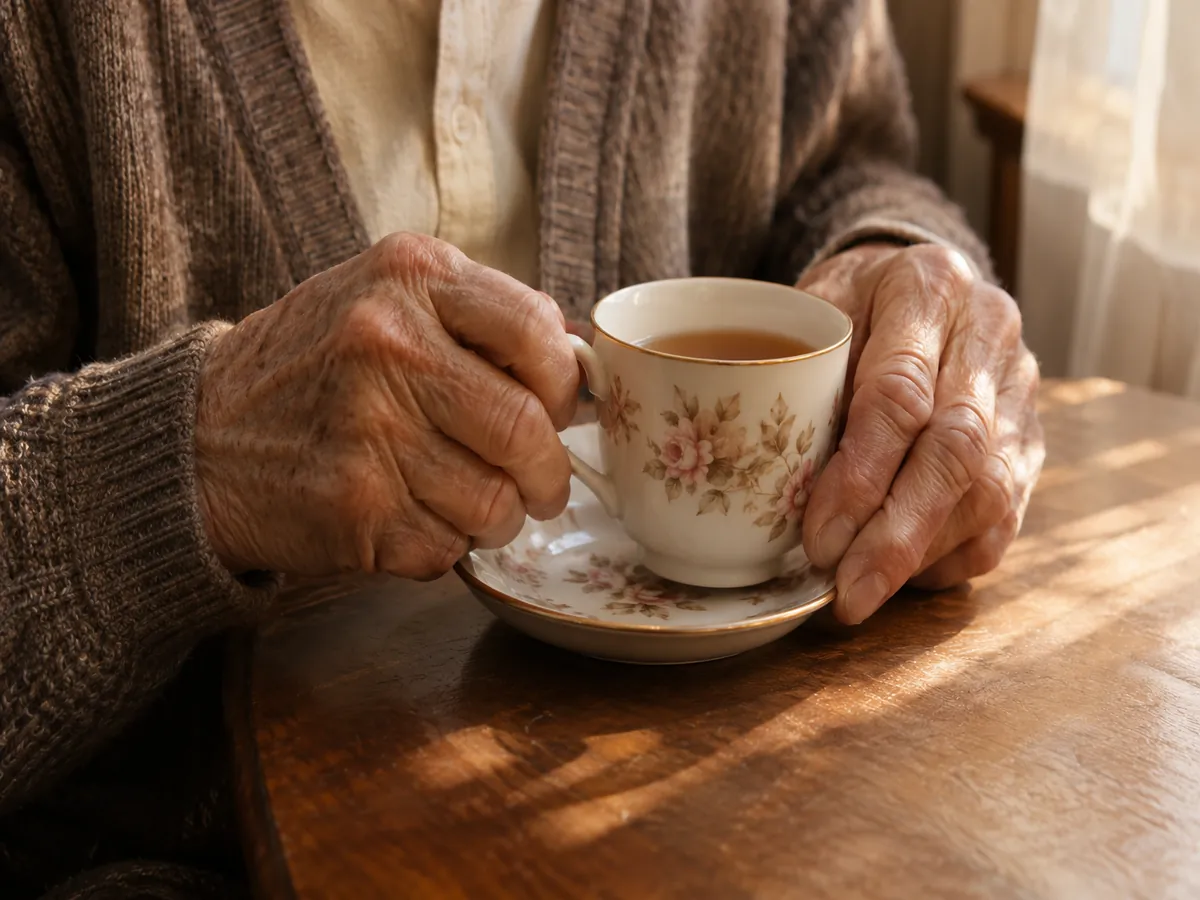
Parkinson's disease is a progressive movement disorder caused by the gradual loss of dopamine-producing nerve cells in the brain. In the early stages, symptoms can be mild and take time to notice.
Early signs
- Resting tremor: a tremor that starts while the hand is at rest, usually on one side
- Slowness of movement: difficulty with tasks such as buttoning a shirt or writing
- Muscle stiffness: rigidity in shoulder and arm movements
- Smaller handwriting
- Reduced facial expression, a softer voice
- Reduced sense of smell, constipation and acting out dreams during sleep: these can sometimes start years earlier
Not every tremor is Parkinson's
One of the most common causes of tremor is essential tremor. It usually becomes noticeable during movement, for example when holding a glass, and a family history of similar tremor is common. Stress, caffeine, an overactive thyroid and some medicines can also cause tremor.
How is it diagnosed?
The diagnosis of Parkinson's disease relies largely on the neurological examination. Imaging and blood tests may be requested to rule out other causes.
Treatment and daily life
Treatment aims to ease symptoms and make daily life easier. Alongside medication, regular exercise and physiotherapy play an important role. The treatment plan is tailored to each person and updated with regular follow-up.
Frequently asked questions
Can Parkinson's disease start at a young age?
Parkinson's disease usually starts after the age of 60, but forms that begin earlier also exist.
Which doctor should I see for a tremor?
A neurologist. The examination assesses the type of tremor and its possible causes.

This article is for general information and does not replace an examination. You can book an appointment to discuss your symptoms.
 Guide6 min read
 Migraine6 min read
 Headache5 min read